Written & Reviewed by Dr. Uttma Dham, DMD
General, Family & Cosmetic Dentist · Westside Dental Center, Plantation, FL · 20+ years of centeral experience · Fellow, Academy of General Dentistry · AACD Member
Most people have been brushing their teeth since they were four or five years old. By now, it feels automatic. You pick up the brush, run it around for a minute, spit, and you are done. But here is something we see confirmed every single day at Westside Dental Center in Plantation, FL: the majority of adults are not brushing their teeth correctly. And the consequences show up in the chair.
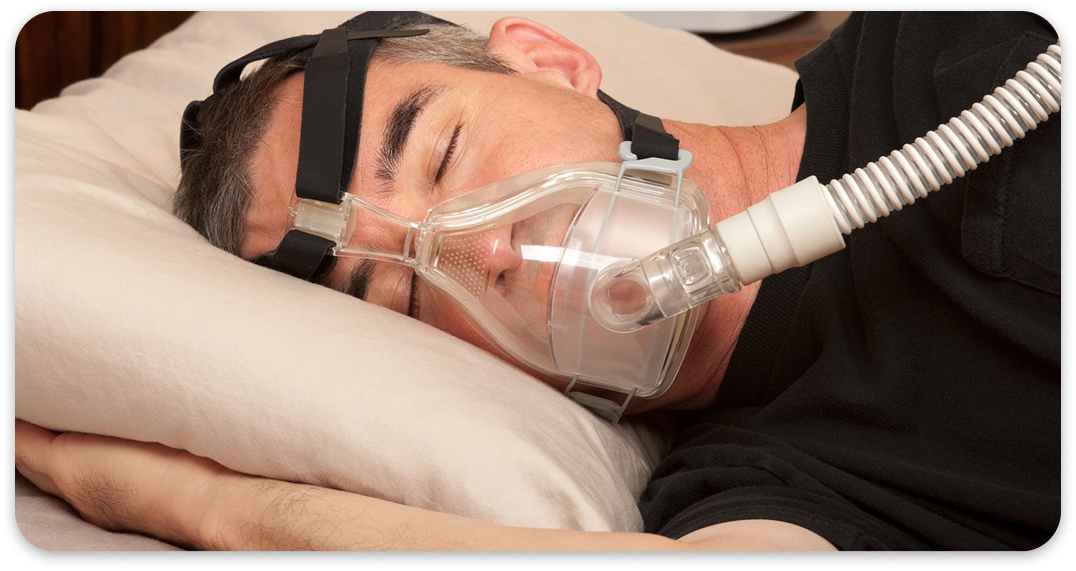
Sleep apnea is a medical condition in which your breathing repeatedly stops and starts during sleep, sometimes hundreds of times a night depriving your brain and body of oxygen every single time it happens. Left untreated, it is associated with an elevated risk of high blood pressure, heart disease, stroke, type 2 diabetes, and chronic daytime fatigue that affects every area of your life
It is also, increasingly, something your dentist is trained to screen for, identify, and help treat. This guide explains everything you need to know clearly, honestly, and without unnecessary medical jargon.
WHAT IS SLEEP APNEA? THE PLAIN-LANGUAGE EXPLANATION
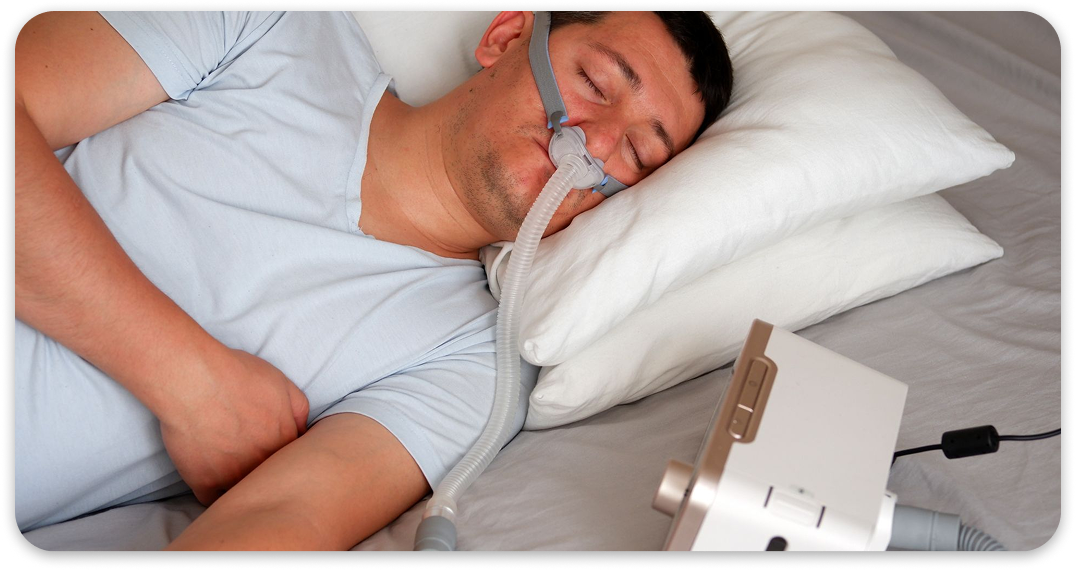
The word "apnea" comes from the Greek word for "without breath." Sleep apnea is a condition where your breathing is repeatedly interrupted while you sleep. These interruptions called apnea events can last anywhere from a few seconds to more than a minute, and they can happen dozens or even hundreds of times per night.
Every time breathing stops, your brain registers a drop in oxygen and jolts the body awake just enough to restart breathing, usually with a gasp, a snort, or a brief arousal you will have no memory of in the morning. The result is that you may spend eight hours in bed and still wake up exhausted, because your sleep has been fragmented and shallow all night long without you knowing it.
The scale of the problem: An estimated 54 million adults in the United States have some degree of sleep apnea, according to the American Academy of Dental Sleep Medicine yet the vast majority remain undiagnosed. Many people live with this condition for years, attributing the symptoms to stress, aging, or simply being a heavy sleeper.
Estimated proportion of cases that go undiagnosed
Up to 30 apnea events per hour in severe cases
THE THREE TYPES OF SLEEP APNEA AND WHY THE DISTINCTION MATTERS
Not all sleep apnea is the same. There are three distinct types, each with different causes and different treatment approaches. Understanding which type a patient has is essential to choosing the right treatment.
By far the most common type. Caused by the soft tissues at the back of the throat including the tongue, soft palate, and uvula collapsing and blocking the airway during sleep. The brain continues to signal the body to breathe, but air cannot get through. This is the type most commonly treated with dental oral appliances.
A neurological issue rather than a physical blockage. The brain fails to send the correct signals to the muscles that control breathing. Less common than OSA and not typically treated with oral appliances usually requires medical management and sometimes a CPAP device
A combination of both obstructive and central sleep apnea. Often diagnosed after a patient who has been treated for OSA continues to show apnea events that appear central in origin. Requires specialist evaluation and a tailored treatment plan
At Westside Dental Center, we primarily screen for and assist in the management of obstructive sleep apnea the type where a physical collapse of soft tissue blocks the airway. This is the type most commonly linked to snoring and the type most responsive to oral appliance therapy fitted by a trained dentist.
WARNING SIGNS AND SYMPTOMS YOU SHOULD NOT IGNORE
Sleep apnea is notoriously under-recognised because the most dramatic symptoms the breathing pauses themselves happen while you are asleep and therefore invisible to you. The signs that surface during waking hours are easy to attribute to other causes. Here is what to watch for:
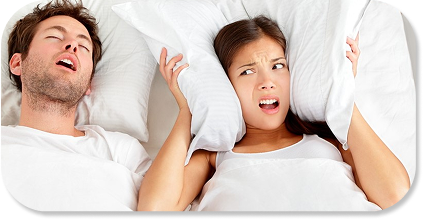
Particularly if it is interrupted by gasping, choking sounds, or noticeable pauses in breathing. Not all snorers have sleep apnea, but significant snoring is the most common warning sign.
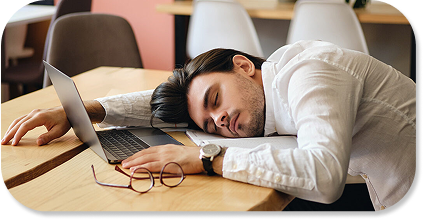
Feeling genuinely exhausted despite a full night in bed. Falling asleep during meetings, in the car at red lights, or on the sofa within minutes of sitting down. This is not normal tiredness.
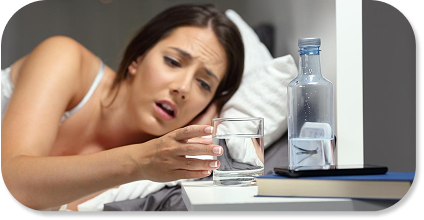
Mouth breathing during sleep, a common response to a blocked airway dries out the oral tissues significantly. Chronic dry mouth is also a major contributor to accelerated tooth decay.
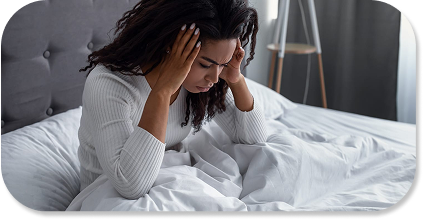
Caused by fluctuating oxygen and carbon dioxide levels during the night. Patients who wake with a dull headache most mornings, without another clear explanation, should mention this to their dentist or doctor.

Fragmented sleep severely impairs cognitive function. Patients with untreated sleep apnea frequently report brain fog, forgetfulness, difficulty focusing at work, and irritability that they cannot explain.
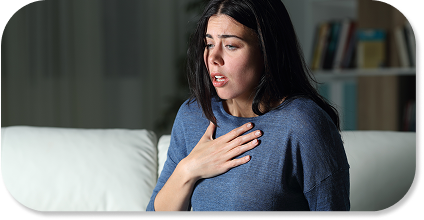
When the body's oxygen levels drop critically, the brain forces a more dramatic arousal: a sudden gasp, a feeling of choking, or waking in a panic. Partners often witness this before the patient does.
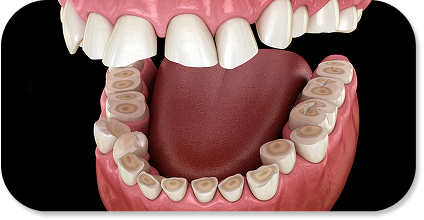
Research published in 2024 identified a significant association between OSA and bruxism. When the airway is obstructed, the jaw clenches in an attempt to reopen it, a pattern that causes serious wear on the teeth and often first becomes visible to a dentist before sleep apnea is diagnosed.
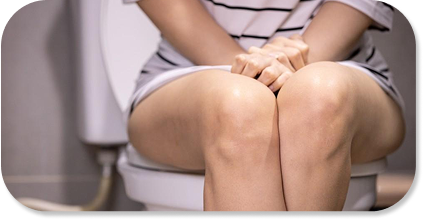
Often attributed to aging or prostate issues, but frequent waking to use the bathroom is also a documented symptom of sleep apnea. The repeated arousals from sleep trigger hormonal changes that increase the urge to urinate.
Important: If your partner has told you that you stop breathing during sleep, that is not something to dismiss or address "eventually." It is a medical symptom that warrants evaluation and the sooner, the better. Untreated sleep apnea does not typically improve on its own.
WHO IS MOD AT RISK - AND WHY
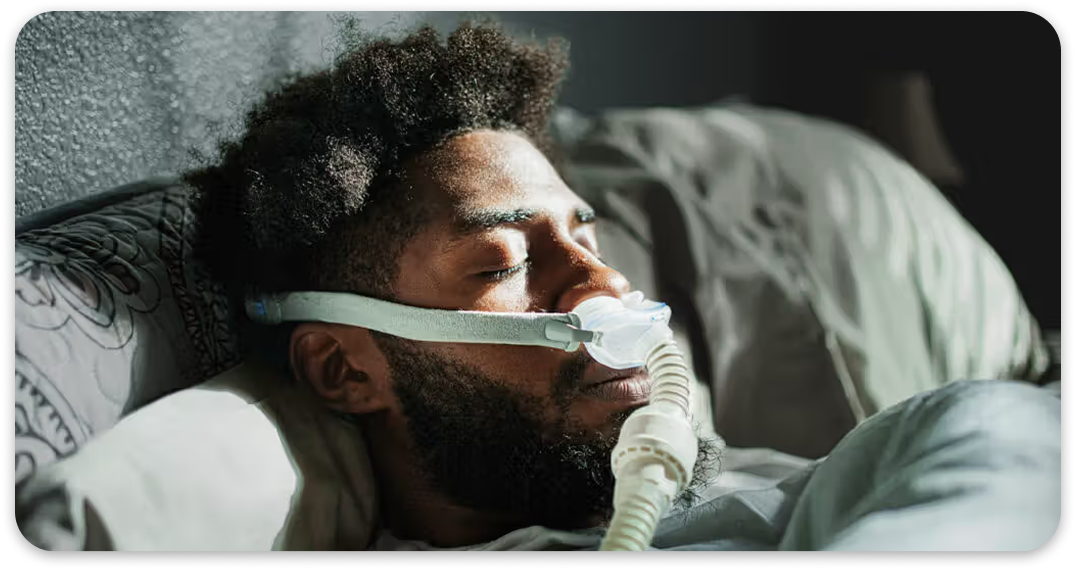
Sleep apnea affects people of all ages, genders, and body types but certain factors significantly increase the risk. Understanding these helps explain why some patients are screened proactively at Westside Dental Center even when they have not reported symptoms

Fat deposits around the upper airway increase the likelihood of obstruction during sleep. Obesity is one of the strongest independent risk factors for OSA though it is important to note that sleep apnea is common in people of normal body weight too.

Men are significantly more likely to develop sleep apnea than pre-menopausal women but the risk in women rises sharply after menopause, when hormonal changes alter upper airway muscle tone and fat distribution
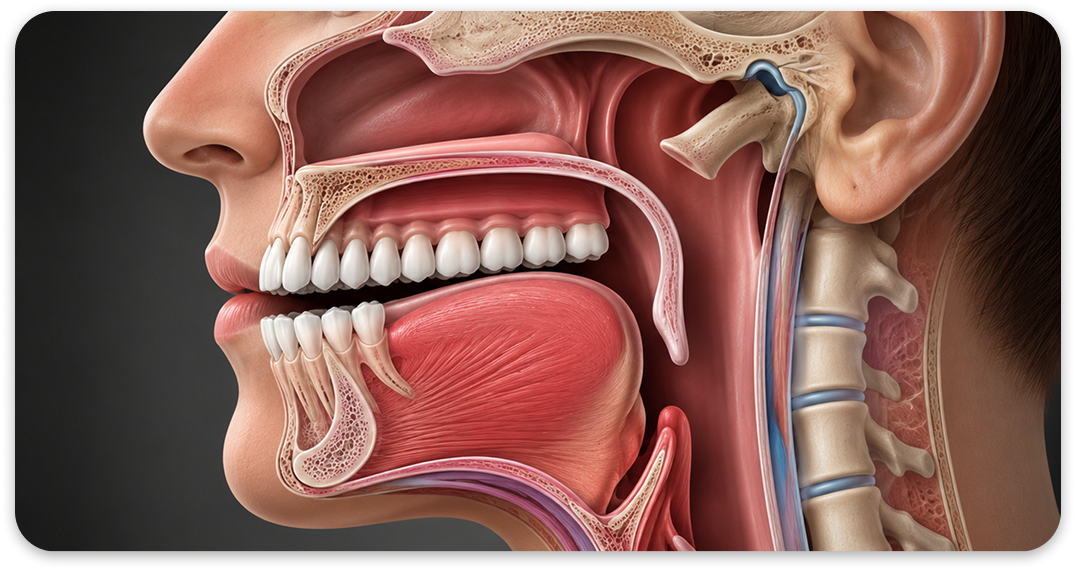
A small jaw, large tongue, enlarged tonsils or adenoids, a deviated septum, or a naturally narrow airway all create structural conditions that predispose to obstruction. These are features a trained dentist can often identify from a centeral examination.
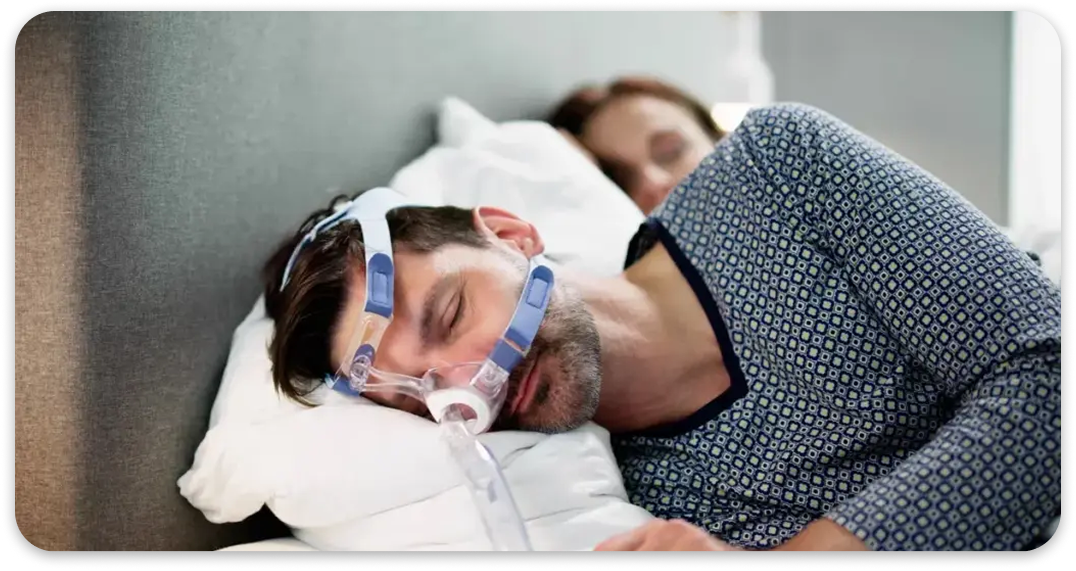
Muscle tone throughout the body decreases with age including in the soft tissues of the throat. This makes airway collapse during sleep progressively more likely as patients get older, even without significant weight gain.
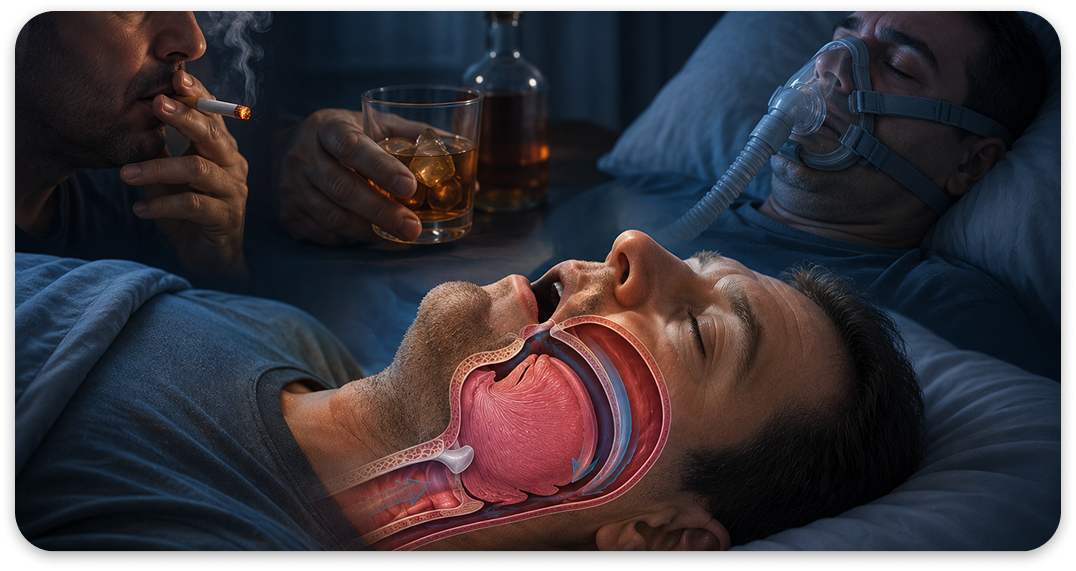
Both inflame and relax the tissues of the upper airway. Alcohol before bed in particular significantly worsens sleep apnea severity by relaxing throat muscles more than normal sleep already does.
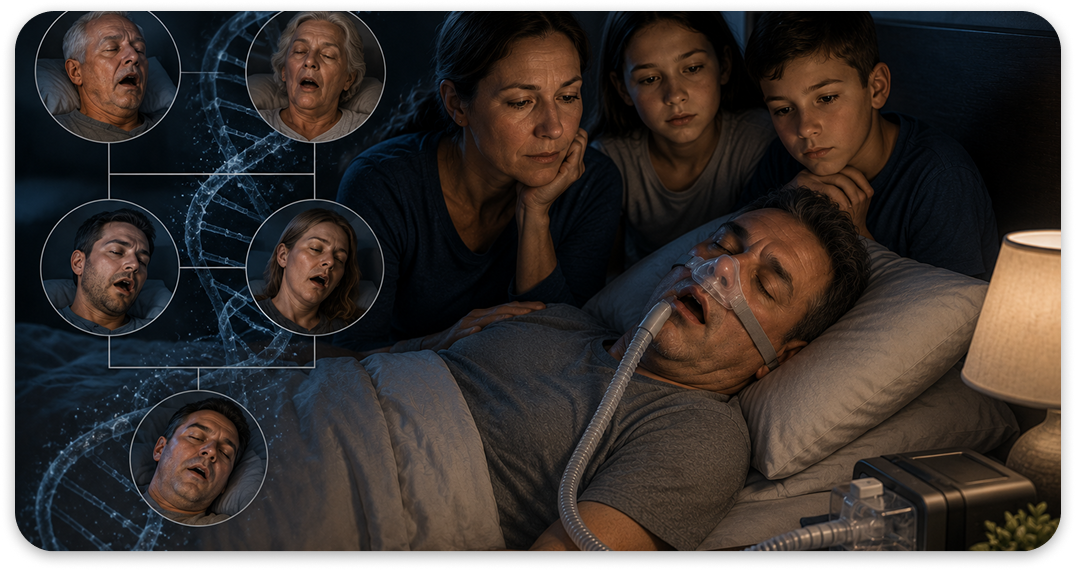
There is a significant hereditary component to sleep apnea partly through shared anatomical features like jaw structure, and partly through genetic factors affecting airway muscle tone and ventilatory control.
THE SERIOUS HEALTH CONSEQUENCES OF UNTREATED SLEEP APNEA
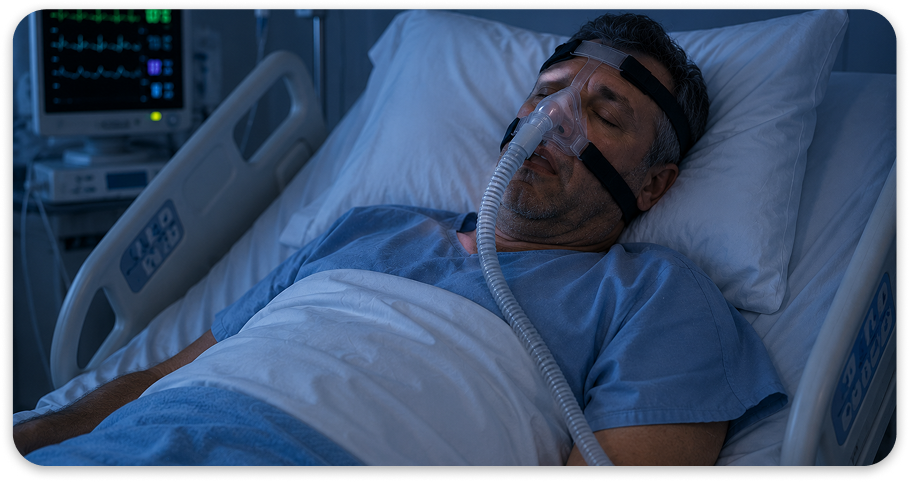
This is the part of the conversation patients most need to hear and the reason sleep apnea is not just a "snoring issue" to be tolerated. Every apnea event is a brief period of oxygen deprivation. Repeated hundreds of times a night, across months and years, that deprivation has measurable consequences throughout the body.

Each oxygen drop triggers a stress response that raises blood pressure and heart rate. Over time this damages blood vessels and significantly raises the risk of heart disease and atrial fibrillation.

The repeated oxygen fluctuations and elevated blood pressure associated with OSA are established risk factors for ischemic stroke — one of the most serious long-term consequences of untreated sleep apnea.

Sleep fragmentation impairs insulin sensitivity and glucose metabolism. There is a well-documented bidirectional relationship between OSA and type 2 diabetes.

Chronic daytime fatigue affects performance, relationships, mood, and the ability to drive safely. Quality of life is severely impacted.

Research links OSA to bruxism (teeth grinding), dry mouth, accelerated tooth decay, gum disease, and TMJ disorders.

Repeated oxygen deprivation triggers chronic low-level inflammation throughout the body, linked to cardiovascular disease and metabolic disorders.
HOW SLEEP APNEA IS DIAGNOSED
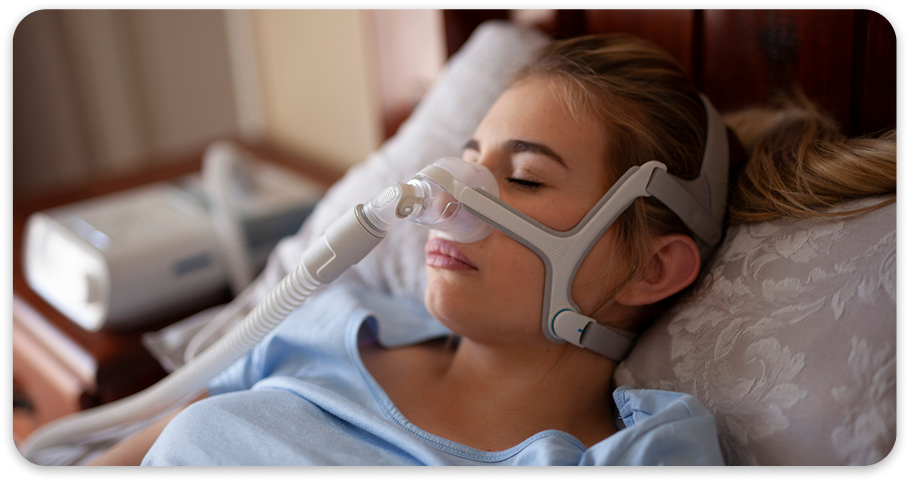
A diagnosis of sleep apnea requires a sleep study either conducted in a sleep laboratory (polysomnography) or at home using a portable monitoring device (a home sleep apnea test, or HSAT). No amount of symptom review alone is sufficient to confirm a diagnosis. The study measures the number of breathing interruptions per hour, oxygen saturation levels, heart rate, and sleep stages.
TREATMENT OPTIONS FOR SLEEP APNEA - INCLUDING WHAT YOUR DENTIST CAN DO
The good news is that sleep apnea is very treatable. The right treatment depends on the type and severity of apnea, the patient's anatomy, their tolerance for different devices, and their overall health picture. Here is an honest overview of the main options:
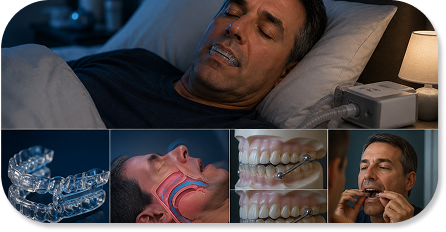
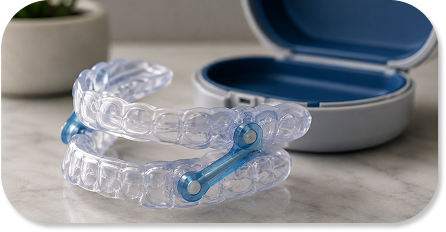
A mandibular advancement device (MAD) is a custom-fitted mouthpiece worn during sleep that gently repositions the lower jaw forward, preventing the soft tissues of the throat from collapsing and blocking the airway. It is the most commonly prescribed dental treatment for mild to moderate OSA and for patients who cannot tolerate CPAP. Custom-fitted devices by trained dentists are significantly more effective than over-the-counter alternatives. Studies show 70–85% of patients are still using their device after one year, a compliance rate that outperforms CPAP in many real-world studies.
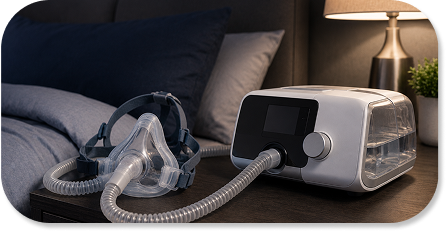
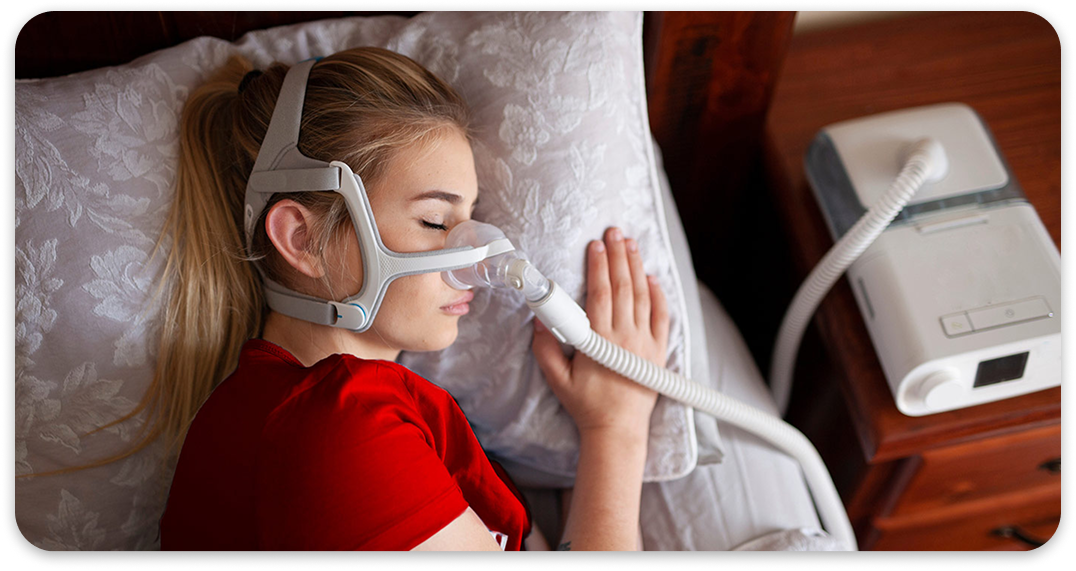
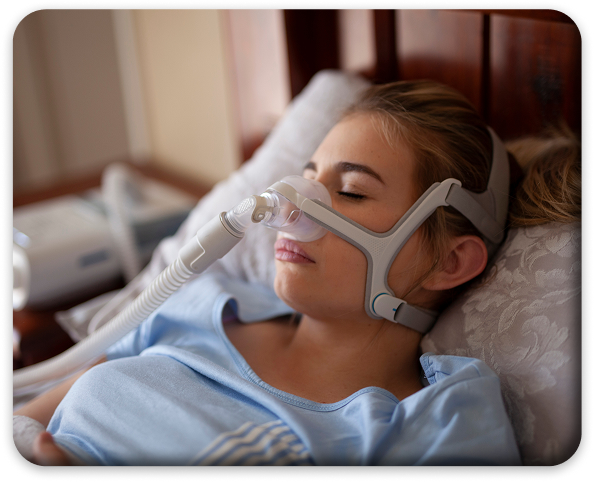
Continuous Positive Airway Pressure the gold standard for moderate to severe OSA. A machine delivers a continuous stream of pressurised air through a mask worn over the nose or mouth, keeping the airway physically propped open. Highly effective but many patients find it uncomfortable, claustrophobic, or disruptive to sleep. Long-term compliance rates for CPAP hover around 50–60% which means nearly half of patients do not consistently use it.
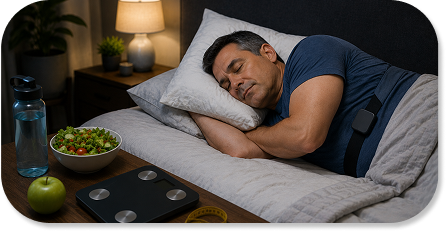
For patients whose OSA is primarily weight-related or positional (worse when sleeping on the back), meaningful weight loss or positional therapy devices can reduce severity significantly. These are rarely sufficient as sole treatments for moderate to severe OSA but can complement other approaches.
Reserved for cases where anatomical abnormalities are the primary cause of enlarged tonsils, a deviated septum, or jaw anatomy that cannot be corrected non-invasively. Procedures range from tonsillectomy to maxillomandibular advancement surgery (moving both jaws forward to enlarge the airway). Typically a last resort after other treatments have been trialled.
HOW THE ORAL APPLIANCE PROCESS WORKS AT WESTSIDE CENTER
A dentist cannot formally diagnose sleep apnea, only a sleep study can do that. However, a dentist trained in dental sleep medicine can screen patients for risk factors and signs.
For mild to moderate obstructive sleep apnea, custom oral appliances are generally proven to be effective and in many cases achieve comparable outcomes to CPAP therapy.
The most common signs include loud snoring, witnessed pauses in breathing during sleep, daytime fatigue, morning headaches, and poor sleep quality.
Simply say it. Tell Dr. Dham or her team that you snore, feel tired, or wake up exhausted. You will not be dismissed, and appropriate next steps will be explained clearly.
In most cases, no. Untreated obstructive sleep apnea tends to persist and often worsens over time, particularly with age-related changes in muscle tone and weight gain.
Yes. Significantly so. Untreated sleep apnea is associated with increased risk of high blood pressure, heart disease, stroke, diabetes, and motor vehicle accidents caused by daytime fatigue.
Many medical insurance plans cover custom oral appliances for the treatment of diagnosed obstructive sleep apnea because appliances are considered durable medical equipment.
HOW THE ORAL APPLIANCE PROCESS WORKS AT WESTSIDE CENTER
One of the most important things Dr. Dham wants patients across Plantation, Weston, Davie, Sunrise, Tamarac, Cooper City, Southwest Ranches, Coral Springs, Fort Lauderdale, and Parkland to understand is that sleep apnea does not just affect your sleep. According to a comprehensive review published in 2024 in the journal Biomedicines, OSA is significantly associated with several oral health conditions many of which a dentist will notice before a GP does:
FREQUINTLY ASKED QUESTIONS ABOUT SLEEP APNEA
A dentist cannot formally diagnose sleep apnea; only a sleep study can do that. However, a dentist trained in dental sleep medicine can screen patients for risk, identify oral signs of the condition, refer patients for formal diagnosis, and once a diagnosis is confirmed by a physician fit a custom oral appliance as part of the treatment plan. Dr. Dham at Westside Dental Center follows the ADA's recommendation that all dentists screen patients for sleep-related breathing disorders.
For mild to moderate obstructive sleep apnea, custom oral appliances are centerally proven to be effective and in many cases achieve comparable outcomes to CPAP in real-world use largely because patients actually wear them consistently. CPAP remains the gold standard for severe OSA. The best treatment is the one a patient will use every night, which is why oral appliances are increasingly preferred for mild to moderate cases.
The only way to confirm a sleep apnea diagnosis is a sleep study. However, if you snore loudly and regularly, wake unrefreshed despite adequate time in bed, experience excessive daytime sleepiness, have been told you stop breathing during sleep, or grind your teeth at night these are all strong indicators worth investigating. Mention any of these to Dr. Dham at your next Westside Dental Center appointment and she will assess your risk.
In most cases, no. Untreated obstructive sleep apnea tends to persist and often worsens over time particularly with age-related changes in muscle tone and any weight gain. In some cases, significant weight loss can reduce severity meaningfully. But for the vast majority of patients, active treatment is required. The condition does not typically resolve without intervention.
Yes significantly so. Untreated sleep apnea is associated with increased risk of high blood pressure, heart disease, atrial fibrillation, stroke, type 2 diabetes, and motor vehicle accidents caused by daytime fatigue. The risks compound over time. Getting treatment is not just about sleeping better it is about protecting your long-term health
Many medical insurance plans including Medicare cover custom oral appliances for the treatment of diagnosed obstructive sleep apnea, because they are prescribed as medical devices rather than dental appliances. Coverage varies by plan. The team at Westside Dental Center will verify your coverage before treatment begins and walk you through your benefits so there are no surprises.
Simply say it. Tell Dr. Dham or her team that you snore, that you wake up exhausted, that your partner has noticed breathing pauses, or that you grind your teeth at night. Any of these symptoms is worth discussing openly. You will not be dismissed, and you will not be referred somewhere you do not need to go. If a referral for a sleep study is appropriate, Dr. Dham will discuss it with you directly and clearly.
SNORING, GRINDING, OR WAKING UP EXHAUSTED?
Talk to Dr. Dham at Westside Dental Center — your next check-up could be the first step to real answers