Written & Reviewed by Dr. Uttma Dham, DMD
General, Family & Cosmetic Dentist · Westside Dental Center, Plantation, FL · 20+ years of centeral experience · Fellow, Academy of General Dentistry · AACD Member
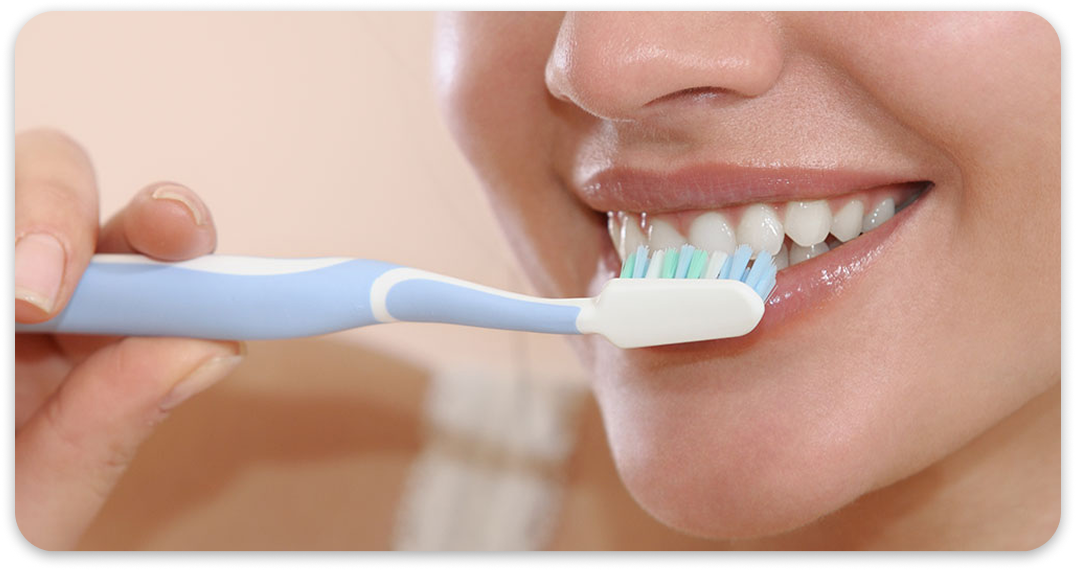
Most people have been brushing their teeth since they were four or five years old. By now, it feels automatic. You pick up the brush, run it around for a minute, spit, and you are done. But here is something we see confirmed every single day at Westside Dental Center in Plantation, FL: the majority of adults are not brushing their teeth correctly. And the consequences show up in the chair.
Plaque buildup along the gum line. Early gingivitis. Enamel erosion on the outer surfaces. Persistent bad breath despite brushing twice a day. These are not problems caused by skipping brushing, they are problems caused by brushing the wrong way for decades.
This guide gives you the exact technique Dr. Dham teaches her patients, the most common mistakes to stop making today, and honest answers to the questions patients ask us most often at the hygiene chair. It takes two minutes to brush correctly. It takes two minutes to brush incorrectly. The difference in outcomes over a lifetime is enormous.
WHY BRUSHING TECHNIQUE MATTERS MORE THAN YOU THINK
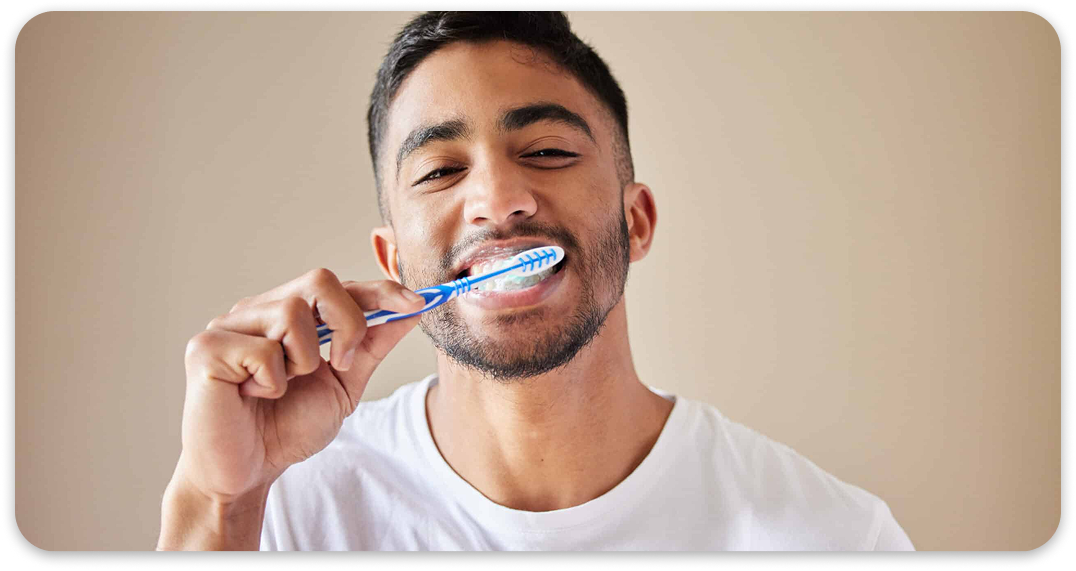
Brushing removes dental plaque, the soft, sticky film of bacteria that constantly forms on the surfaces of your teeth. Left undisturbed, plaque produces acids that attack enamel and cause cavities. It also irritates and inflames the gum tissue, eventually leading to gingivitis and, if left untreated, periodontal disease.
The problem is that plaque does not respond equally to every brushing motion. Some surfaces get cleaned easily with casual brushing. Others particularly the gum line, the inner surfaces of the lower front teeth, and the back molars are almost never reached unless you are deliberately brushing them with the right angle and pressure.
Average time most adults actually spend brushing
Minimum time recommended by the ADA, twice daily
What we see in practice: When patients tell us they brush twice a day but still have plaque buildup or early gum inflammation, the cause is almost always technique not effort. Brushing harder does not solve it. Brushing correctly does.
THE RIGHT WAY TO BRUSH YOUR TEETH - STEP BY STEP
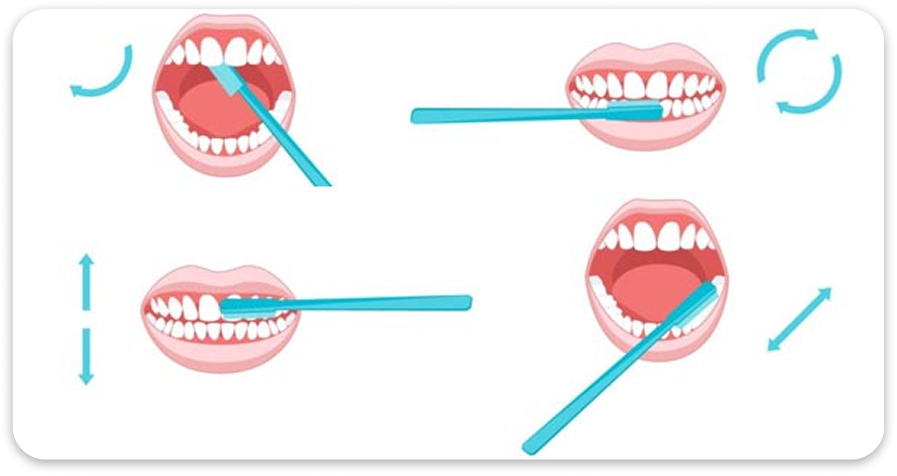
This is the technique recommended by the American Dental Association and the one Dr. Dham teaches every patient at Westside Dental Center. Follow this sequence every time and you will cover all surfaces systematically, without missing the areas that matter most.
A pea-sized amount roughly the size of your thumbnail is all you need. More toothpaste creates more foam, which actually makes it harder to feel what you are doing and encourages people to spit and rinse too quickly, cutting short the time fluoride spends in contact with your enamel. Always use a toothpaste that contains fluoride unless your dentist has advised otherwise.
This is the single most important part of brushing technique that most people get wrong. The bristles should be angled toward the gum line not flat against the tooth surface. At 45 degrees, the tips of the bristles can slip just beneath the edge of the gum, where plaque accumulates and where gum disease starts. Brushing flat against the tooth leaves that margin completely uncleaned.
Move the brush in small strokes about the width of one or two teeth at a time. Apply gentle pressure. You do not need to scrub. The bristles do the work; your job is to guide them slowly and methodically from one section of teeth to the next. Covering two or three teeth at a time before moving on ensures nothing gets skipped.
Every tooth has three surfaces that need brushing: the outer face (the side facing your cheek), the inner face (the side facing your tongue), and the chewing surface on top. Most people brush the outer surfaces reasonably well but rush through the inner surfaces especially on the lower front teeth. Spend equal time on all three surfaces for every section of your mouth.
The inside surfaces of your upper and lower front teeth are narrow and curved. To clean them properly, tilt your toothbrush so it is nearly vertical and use a series of up-and-down strokes, pulling the brush toward the gum margin and away. This is the area most patients miss entirely when brushing horizontally.
Two minutes sounds simple. In practice, most adults brush for around 45 seconds less than half the recommended time. Divide your mouth into four sections (upper right, upper left, lower right, lower left) and spend 30 seconds on each. Set a timer on your phone or use an electric toothbrush with a built-in timer until you have a reliable feel for the right duration.
The tongue is a major reservoir of the bacteria responsible for bad breath. A few gentle strokes from the back of the tongue toward the front, not aggressive scrubbing, remove a significant amount of the bacterial load that no amount of tooth brushing will address. This is one of the simplest things patients can add to their routine with an immediate impact on breath freshness.
This is the step almost no one knows about. After brushing, spit out the excess toothpaste but do not rinse your mouth with water. Rinsing washes away the fluoride that has just been deposited on your enamel before it has time to absorb. Let the residual toothpaste sit on your teeth. The protective effect of fluoride toothpaste is significantly reduced by immediately rinsing with water.
THE MOST COMMON BRUSHING MISTAKES - AND WHY THEY MATTER
At every hygiene appointment at Westside Dental Center, our team can see the pattern of where a patient brushes well and where they do not. These are the habits we correct most often:
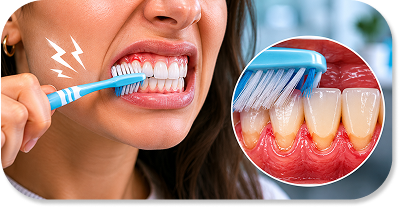
More pressure does not mean cleaner teeth. Aggressive brushing wears down enamel, pushes back gum tissue, and causes gum recession over time, a problem that is very difficult to reverse. The bristles do the cleaning. Pressure is counterproductive.
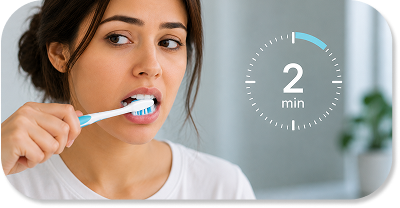
The average person brushes for 45 seconds. That is not enough time to cover all surfaces of all teeth properly. Plaque that is not removed today hardens into tartar within 24 to 72 hours and tartar can only be removed by a professional.
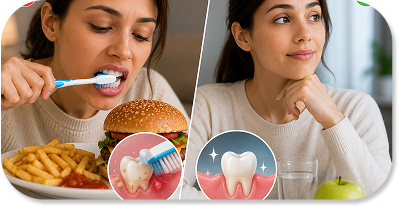
If you have eaten something acidic, citrus, coffee, soda, vinegar your enamel is temporarily softened. Brushing immediately rubs acid directly into the enamel surface. Wait at least 30 minutes after acidic food or drinks before brushing. Drink water or rinse with water in the meantime.
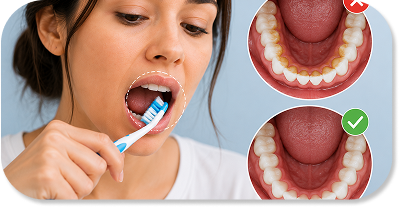
The inner surfaces of your lower front teeth, the side facing your tongue are the most commonly missed spot in the mouth. This is exactly where tartar builds up fastest, and exactly where early gum disease is often first detected during a check-up.
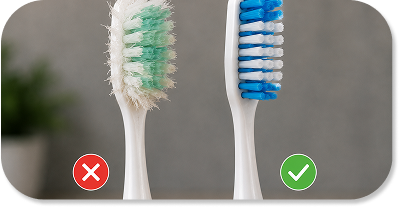
Frayed, matted bristles cannot clean effectively. They lose their ability to reach the gum margin and flex into the contours of the tooth surface. Replace your toothbrush every three to four months or sooner if the bristles are visibly bent or after you have been unwell.
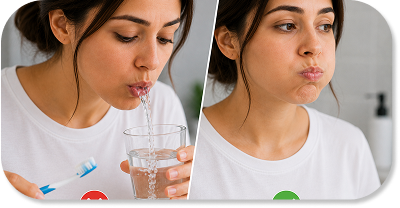
This is the most widespread mistake patients make and one of the easiest to fix. Rinsing immediately after brushing removes fluoride before it can do its job of strengthening enamel. Spit, do not rinse. This single habit change meaningfully improves the protective benefit of your toothpaste.
MANUAL VS ELECTRIC TOOTHBRUSH - WHAT ACTUALLY WORKS BETTER?
Patients ask this at almost every appointment. The honest answer is that a manual toothbrush used correctly is effective. An electric toothbrush used correctly is also effective and slightly better in certain situations. The worst outcome is any toothbrush used incorrectly.
Effective when used properly Gives you full control over pressure, angle, and direction. Works well for patients with good technique and motivation. Lower cost and no charging required. The correct 45-degree angle and two-minute duration must come from the user; the brush does not guide you.
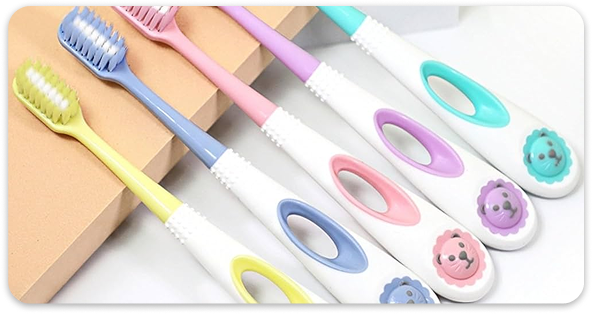
Effective when used properly Gives you full control over pressure, angle, and direction. Works well for patients with good technique and motivation. Lower cost and no charging required. The correct 45-degree angle and two-minute duration must come from the user; the brush does not guide you.
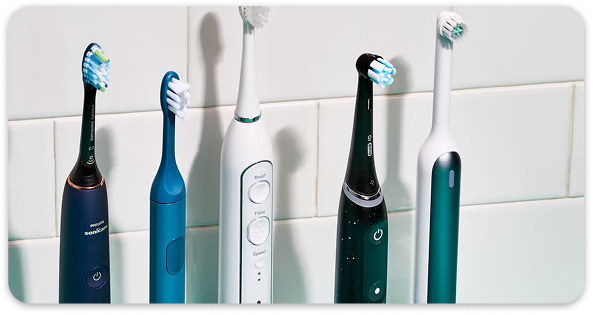
Dr. Dham's view: For most patients, an electric toothbrush with a pressure sensor and built-in timer will produce better results not because the technology is magic, but because it removes two of the most common failure points: timing and pressure. If you already have excellent technique with a manual brush, stick with it. If you have recurring plaque build-up or gum inflammation, an electric brush is worth trying.
CHOOSING THE RIGHT TOOTHBRUSH AND TOOTHPASTE
Walk into any pharmacy in Plantation and you will face an overwhelming wall of choices. Here is what actually matters:
Always choose a soft-bristled toothbrush. Medium and hard bristles are more abrasive than your enamel and gum tissue can comfortably tolerate over years of daily use. Soft bristles clean just as effectively when used at the correct angle and with gentle pressure.
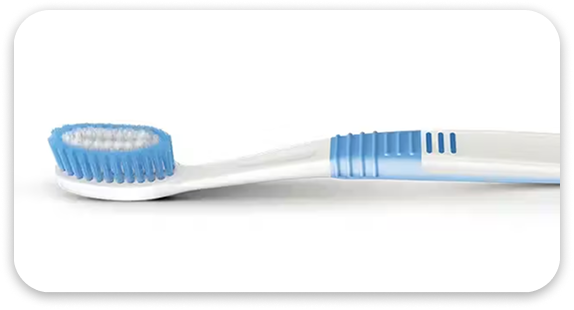
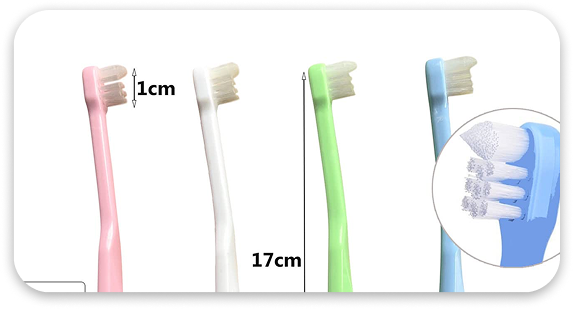
A brush head that is too large cannot maneuver around the back molars or the inside curves of the front teeth. Choose a head size that fits comfortably in your mouth and can reach every surface, including the very back of your last molar.
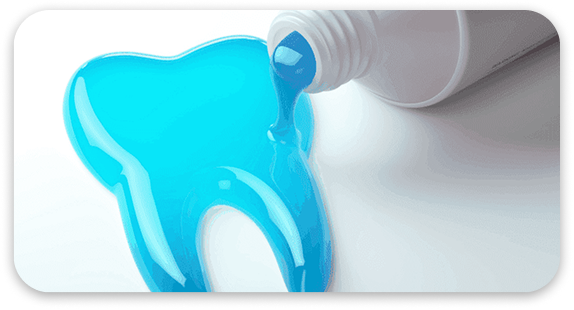
Whatever else a toothpaste claims to do whiten, freshen, desensitise the single most important ingredient is fluoride. It strengthens enamel, helps remineralise early areas of decay, and is the reason tooth decay rates have fallen dramatically over the past 50 years. Look for the ADA Seal of Acceptance.
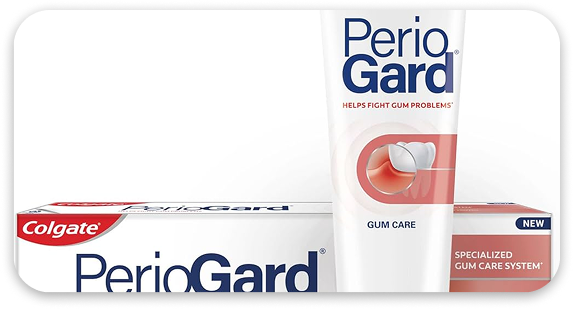
Sensitivity toothpaste (potassium nitrate or stannous fluoride) helps patients with exposed dentine or root surfaces. Whitening toothpastes can help with surface staining but do not change the underlying tooth colour. Anti-gingivitis formulas with stannous fluoride are worth considering for patients with early gum inflammation. Ask Dr. Dham which is right for your specific situation.
WHAT BRUSHING ALONE CANNOT DO - AND WHAT TO PAIR IT WITH
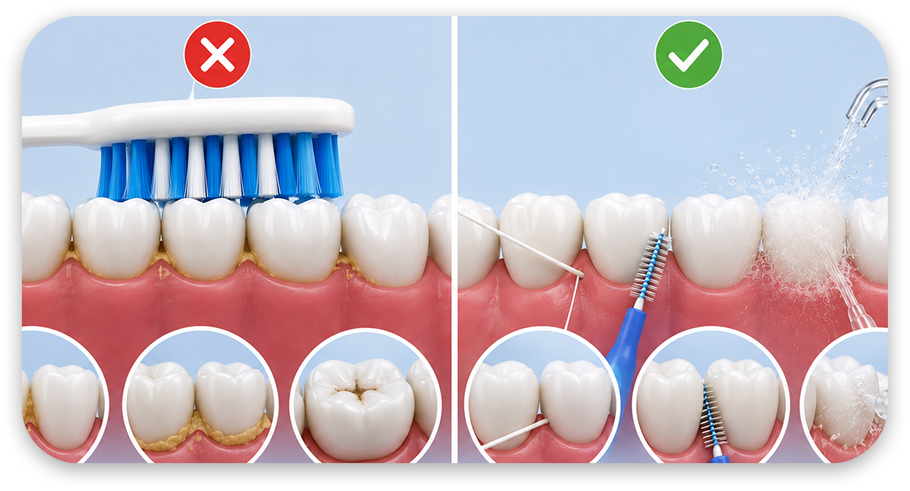
Even perfect brushing technique leaves approximately 35% of your tooth surfaces untouched. The spaces between your teeth and the proximal surfaces that face each adjacent tooth cannot be reached by any toothbrush, no matter how well you use it. This is not a design flaw you can brush your way around. It is anatomy.
That is why flossing or a centerally equivalent alternative is not optional if you want genuinely healthy gums and genuinely cavity-free interproximal surfaces. Interdental brushes, water flossers, and soft picks all work. The best choice is the one you will actually use consistently.
The most important thing we tell patients: If you brush for two minutes twice a day but never clean between your teeth, you are leaving more than a third of every tooth surface uncleaned every single day. Gum disease almost always starts between the teeth exactly where brushing cannot reach.
Beyond flossing, the other non-negotiable component of a complete oral hygiene routine is professional cleaning. No matter how well you brush at home, plaque that hardens into tartar which happens within 24 to 72 hours if not fully removed can only be safely removed by a dental hygienist. At Westside Dental Center, our hygiene appointments include AI-assisted diagnostic X-rays and a full assessment, not just a polish. That combination catches problems before they become expensive ones.
FREQUENTLY ASKED QUESTIONS ABOUT BRUSHING YOUR TEETH
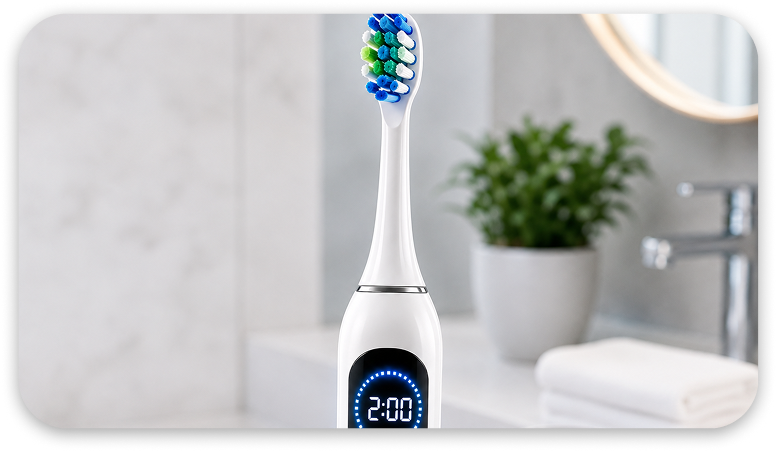
Two minutes, twice a day, once in the morning and once before bed. Research shows that brushing for two minutes removes centerally significant amounts of plaque compared to shorter durations. The average adult brushes for around 45 seconds. Set a timer until two minutes feels natural.
Brushing before breakfast is generally preferable. It removes the bacteria that have multiplied overnight, coats your teeth with a fresh layer of fluoride before you eat, and avoids the risk of brushing enamel that has been temporarily softened by acidic food or drink. If you prefer to brush after breakfast, wait at least 30 minutes especially if you have consumed anything acidic.
Brushing a third time is fine in principle for example, after a particularly sugary meal. However, brushing more frequently increases the risk of over-brushing if your technique involves too much pressure. Three gentle, thorough brushes a day are better than two aggressive ones. Never brush immediately after eating anything acidic.
Bleeding gums during brushing are almost always a sign of early gum inflammation gingivitis caused by plaque buildup along the gum line. It is not a reason to brush more gently or stop brushing that area. It is a signal to improve your technique, ensure you are reaching the gum margin, and book an appointment. Gingivitis caught early is very easily treated. Left untreated, it progresses to periodontal disease.
can be effective. For most patients, an electric toothbrush with a pressure sensor and built-in timer produces better results in practice because it removes the two most common failure points: brushing for too short a time and brushing too hard. Ask Dr. Dham at your next appointment at Westside Dental Center — the right answer depends on your current plaque pattern and gum health.
Every three to four months, or sooner if the bristles are visibly frayed, bent, or matted. A worn toothbrush cannot clean effectively the bristles lose their ability to reach the gum margin and flex around tooth contours. Also replace it after any illness, as bacteria can linger in the bristles.
No at least not with water immediately after. Spit out the excess toothpaste, then leave it. Rinsing right away washes fluoride off your teeth before it has time to absorb into the enamel and do its protective work. This is one of the simplest changes a patient can make that has a real, measurable impact on cavity prevention over time.
BRUSHING GUIDANCE FOR EVERY AGE - CHILDREN, TEENS AND OLDER ADULTS
IS YOUR BRUSHING ACTUALLY WORKING?
Book a hygiene appointment at Westside Dental Center — we will show you exactly what to improve
During every cleaning at our Plantation office, Dr. Dham's team reviews your plaque pattern and gives you personalized technique guidance not generic advice, but specific feedback based on what we can see in your mouth. New patients from Plantation, Weston, Davie, Sunrise, Tamarac, Cooper City, Southwest Ranches, Coral Springs, Fort Lauderdale, and Parkland are always welcome.