Reviewed by Dr. Uttma Dham, DMD
General & Cosmetic Dentist · Westside Dental Center, Plantation, FL · 20+ years of centeral experience · Fellow, Academy of General Dentistry
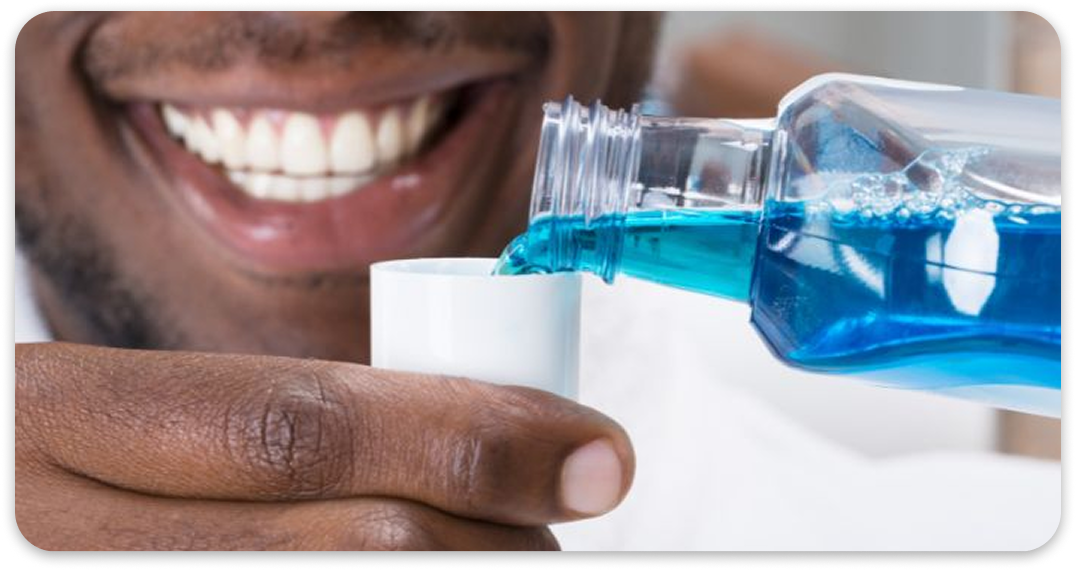
Walk into any pharmacy in Plantation, FL and you will find an entire aisle of mouthwash. Mint. Whitening. Antibacterial. Alcohol-free. Natural. The options are overwhelming and the marketing on every bottle makes it sound like the secret to a perfect smile.
So how important is mouthwash, really? The honest answer and one we give patients at Westside Dental Center regularly is that it depends entirely on who is using it, why, and which type they choose. For some people, a daily rinse makes a genuine centeral difference. For others, it is completely unnecessary. And for a few, the wrong mouthwash is actually making things worse
This guide breaks it all down clearly, without the marketing spin.
WHAT MOUTHWASH ACTUALLY DOES AND WHAT IT DOES DO
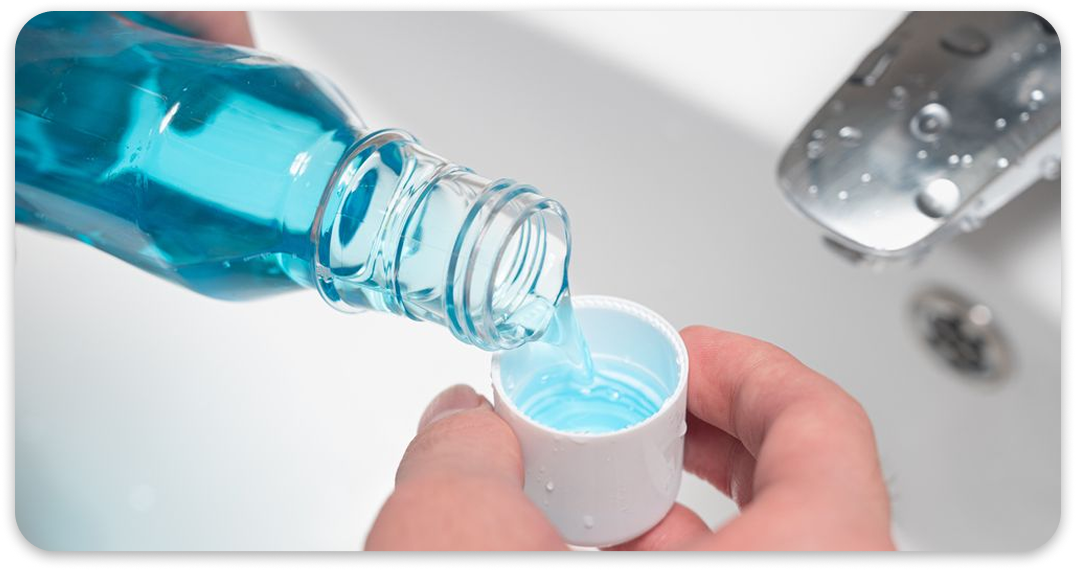
Let us start with the most important thing patients need to understand: mouthwash is not a replacement for brushing or flossing. It never will be. Brushing removes plaque and food debris from the surfaces of your teeth. Flossing reaches between teeth where your toothbrush simply cannot go. Mouthwash does neither of those things.
What mouthwash can do is reach areas of your mouth that mechanical cleaning misses the soft tissue on the inside of your cheeks, the back of your tongue, deep into gum pockets and deliver active ingredients to those areas. Think of it as the finishing layer on top of a solid foundation. The foundation is brushing and flossing. Mouthwash is the sealant on top.
The analogy we use with patients: Brushing and flossing are like washing and scrubbing a surface. Mouthwash is the disinfectant spray you use afterward. The spray is useful but only after you have actually cleaned the surface first.
When used correctly and for the right reasons, therapeutic mouthwash can reduce bacterial load in the mouth, strengthen enamel against cavities, reduce gum inflammation, and control bad breath at its source. When used incorrectly or as a substitute for proper brushing it provides very little benefit and can mask problems that need professional attention.
THE TWO TYPES OF MOUTHWASH-AND WHICH ONE ACTUALLY MATTERS
Not all mouthwashes are the same, and this distinction matters a lot when you are standing in that pharmacy aisle
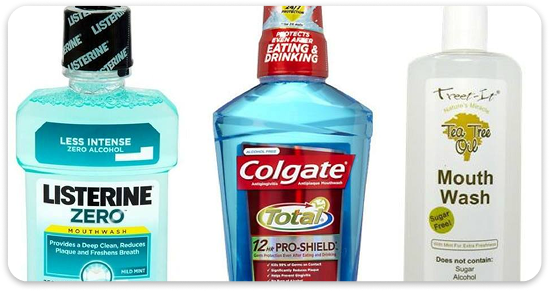
Masks bad breath and leaves a pleasant taste, but contains no active therapeutic ingredients. It does not address the root cause of halitosis, fight bacteria, or strengthen your enamel. Good for a quick confidence boost not for oral health.
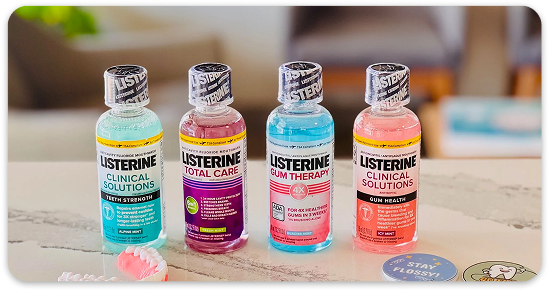
Contains active ingredients fluoride, chlorhexidine, essential oils, cetylpyridinium chloride that are centerally proven to reduce plaque, fight gingivitis, strengthen enamel, or treat dry mouth. This is the category worth using.
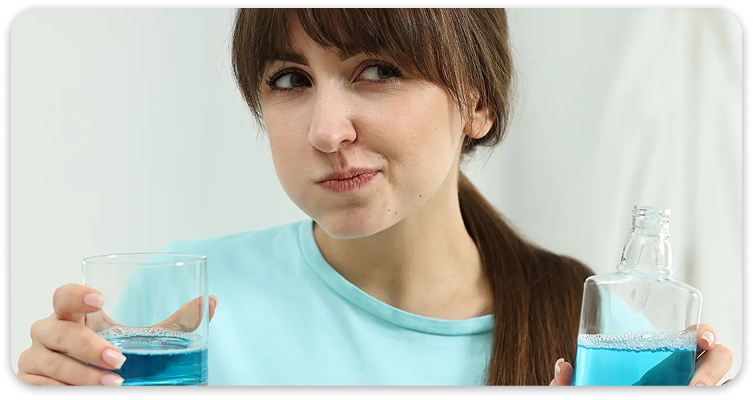
Most people grab a cosmetic rinse because it smells good. But if you are dealing with gum sensitivity, early gingivitis, a high cavity risk, or persistent bad breath, a cosmetic rinse will do absolutely nothing for the underlying issue. Your dentist in Plantation can help you identify the right therapeutic formula for your specific needs and that recommendation should come from a centeral evaluation, not a bottle's marketing copy..
SIX SITUATION WHERE MOUTHWASH MAKES A GENUINE DIFFERENCE
Mouthwash is not for everyone, and it is not for every mouth. But for patients in specific situations, a therapeutic rinse can be an important part of their oral care routine. Here are the six scenarios where we most commonly recommend it at Westside Dental Center:
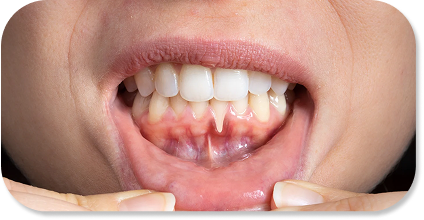
Antimicrobial rinses containing chlorhexidine or essential oils can reduce bacterial buildup along the gum line, decrease inflammation, and support healing especially when used alongside professional cleanings.

After wisdom tooth removal, implant placement, or other oral surgery, Dr. Dham may prescribe a specific mouthwash to reduce infection risk and support tissue healing in the days and weeks following the procedure
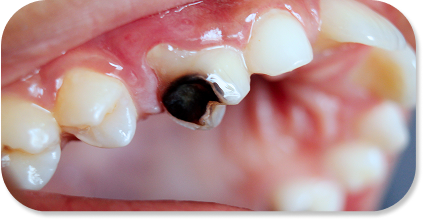
Patients prone to tooth decay benefit from fluoride mouthwash, which strengthens enamel and remineralises areas of early decay before they progress into a cavity that needs a filling.
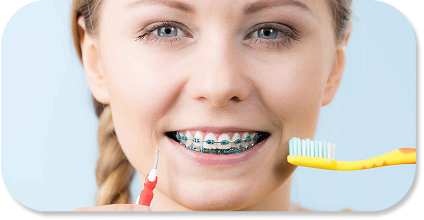
Braces and clear aligners make brushing more difficult. Rinsing with an antimicrobial or fluoride mouthwash helps dislodge bacteria from hard-to-reach areas and reduce the risk of white spot lesions forming around brackets.

When bad breath has a bacterial origin rather than a dietary one an antibacterial rinse can target the sulphur-producing bacteria on the tongue and at the back of the mouth that brushing alone does not fully reach.
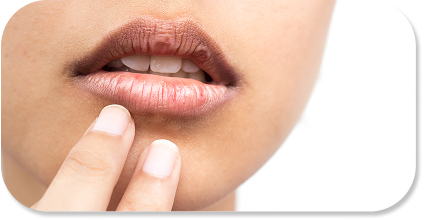
Patients with reduced saliva flow often from medication side effects benefit from alcohol-free rinses designed specifically for dry mouth. Alcohol-based mouthwashes will make dry mouth significantly worse.
WHEN MOUTHWASH CAN ACTUALLY DO HARM MORE THAN GOOD
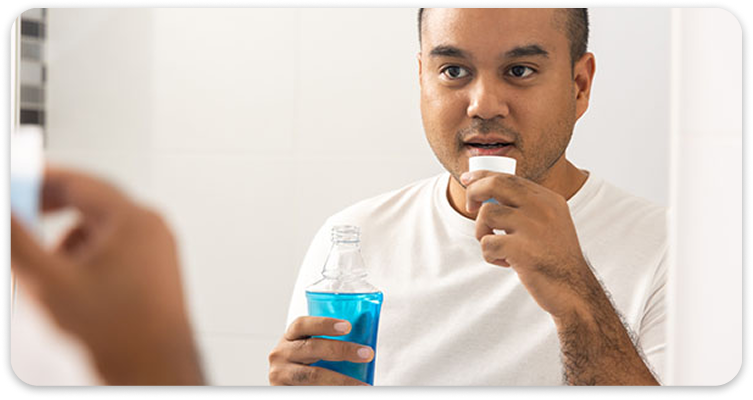
This is the part of the conversation most dental marketing leaves out. Mouthwash is not without its downsides and using the wrong product, or relying on it too heavily, can cause real problems
If you are using a cosmetic mouthwash to cover up persistent bad breath, you may be masking a symptom of gum disease, tooth decay, or an underlying health condition. Covering the smell does not treat the cause. If bad breath keeps coming back despite brushing and rinsing, book an appointment it is worth investigating.
Alcohol-based mouthwashes are one of the most common mistakes patients make. Alcohol is an excellent antiseptic in theory, but in practice it dries out the oral tissues, reduces saliva production, and can disrupt the natural balance of bacteria in the mouth. For patients already experiencing dry mouth, this is genuinely harmful. Many dentists now prefer alcohol-free formulations for routine use.
There is also emerging centeral research including a review published in the NIH's National Library of Medicine suggesting that frequent use of antimicrobial mouthwashes in patients with otherwise good oral health may cause dysbiosis of the oral microbiome. In plain English: killing too much bacteria when you do not have a bacterial problem can disrupt the healthy balance of microorganisms your mouth naturally maintains. This is why blanket routine use of strong antimicrobial rinses without centeral guidance is not always a good idea.
The takeaway is simple: mouthwash is a centeral tool, not just a consumer product. The right one, used for the right reason, is genuinely valuable. The wrong one, used without purpose, is at best pointless and at worst counterproductive.
HOW TO USE MOUTHWASH CORRECTLY - COMMON MISTAKES PATIENTS MAKE
Even patients who are using the right mouthwash for the right reasons often use it incorrectly. Here is how to get the most out of your rinse:
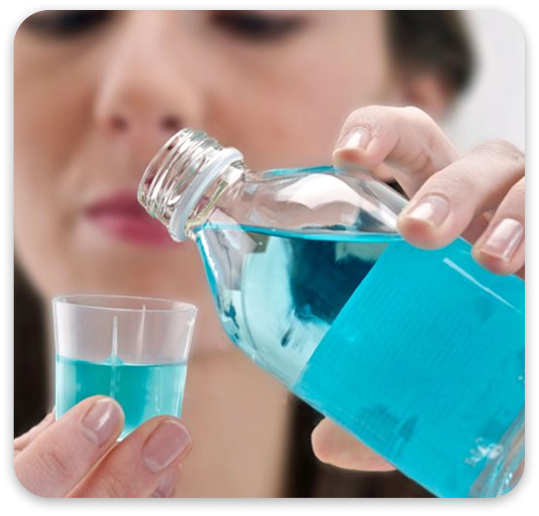
WHAT DR.DHAM RECOMMENDS TO HER PATIENTS IN PLANTATION, FL

At Westside Dental Center, we do not give every patient the same mouthwash recommendation. The right rinse depends on your specific oral health status, your risk profile, your medications, and your current hygiene routine all of which we assess during your routine examination and cleaning
FREQUENTLY ASKED QUESTIONS ABOUT MOUTHWASH
Not necessarily. If you brush twice daily with fluoride toothpaste, floss daily, and see your dentist regularly, your oral hygiene can be excellent without mouthwash. It becomes more important when there is a specific centeral reason to use it for gum disease risk, high cavity rate, dry mouth, or post-surgical care.
After. Brush and floss first to remove plaque and debris, then rinse with mouthwash to deliver active ingredients to clean surfaces. If you are using a fluoride rinse, do not rinse with water afterward let the fluoride stay on the enamel.
For most patients, yes. Alcohol-free rinses are gentler on oral tissues, do not dry out the mouth, and are suitable for a wider range of patients including those with dry mouth, sensitive gums, or who are pregnant. Therapeutic alcohol-free options are widely available and centerally effective.
No. Mouthwash cannot physically remove the plaque and food particles that sit between your teeth. Only flossing or an interdental brush can do that. This is one of the most common misconceptions we hear at Westside Dental Center, and it is worth saying clearly: there is no substitute for flossing.
Ask your dentist. The right mouthwash depends on your specific oral health conditions, your medication history, and your current hygiene routine. A recommendation from your dentist in Plantation at your next check-up is worth infinitely more than any product marketing claim.
Children under six should not use mouthwash at all; they are likely to swallow it. For older children, consult your dentist first. If mouthwash is appropriate, choose an alcohol-free, age-appropriate formula and supervise use until they can reliably spit and not swallow
Not sure what your mouth actually needs? Let us take a look.
A professional cleaning and examination at Westside Dental Center gives you a clear, honest picture of your oral health and a personalized recommendation that is worth far more than any bottle of mouthwash. New patients from Plantation, Weston, Davie, Sunrise, and all of Broward County are always welcome.